
News
How Does a Modern Peptide Factory Control Impurity Levels During Semaglutide Raw Material Production?
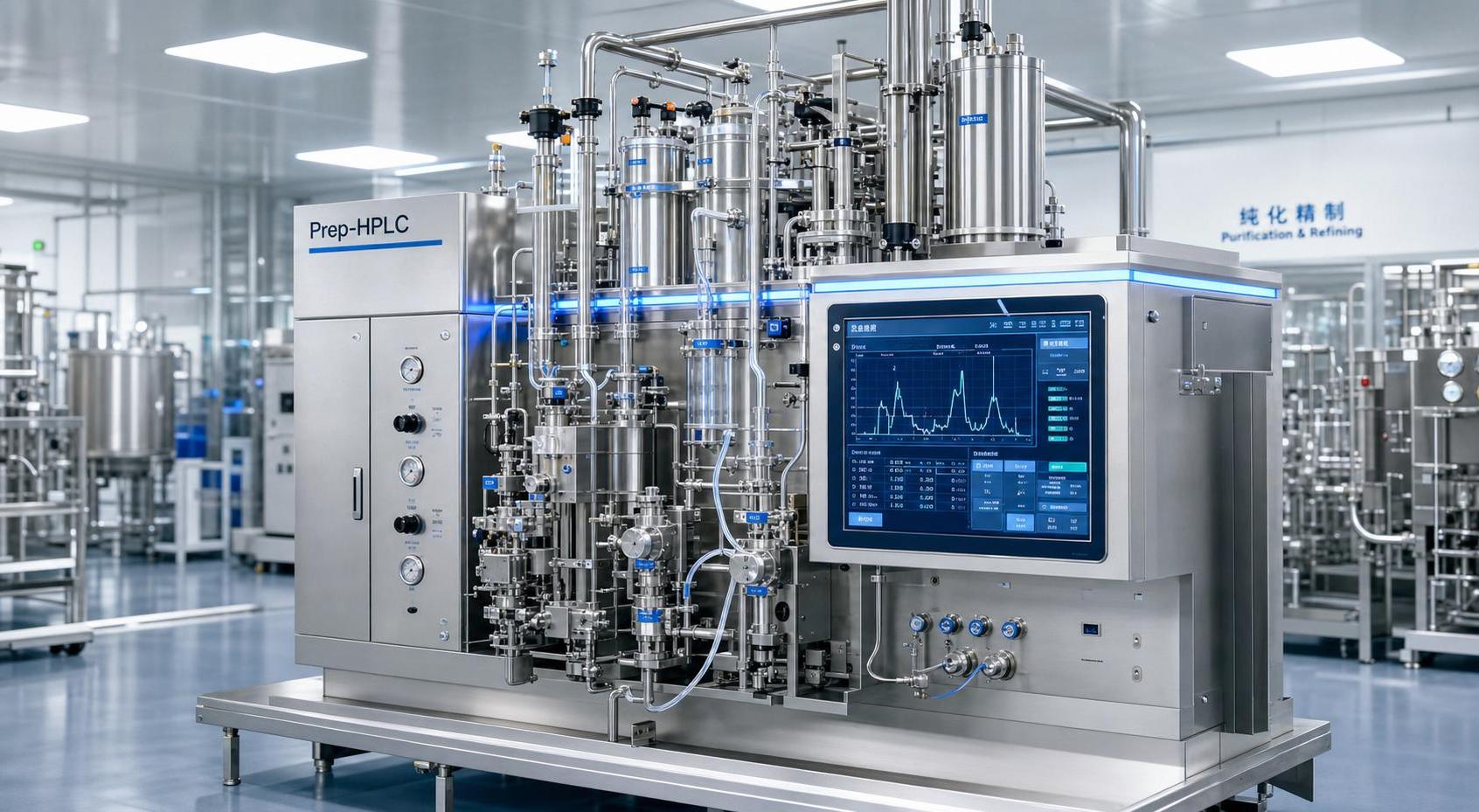
In the B2B peptide manufacturing sector, managing the impurity profile of high-demand sequences like Semaglutide is a premier technical benchmark. As a chemically synthesized peptide consisting of 31 amino acids with a specific fatty acid side-chain modification, Semaglutide presents significant challenges during large-scale manufacturing. For sourcing managers and pharmaceutical researchers, understanding how a modern peptide factory controls these impurity levels is essential to choosing a reliable supplier.
Here is how advanced manufacturing processes ensure premium batch purity and structural integrity.
1. Precision in Solid-Phase Peptide Synthesis (SPPS)
The foundation of impurity control begins at the very first coupling step. During Solid-Phase Peptide Synthesis (SPPS), individual amino acids are added sequentially to a resin support. Because Semaglutide is a relatively long chain, any incomplete reaction can cause "deletion peptides"—impurities where one or more amino acids are missing.
To mitigate this, a modern peptide factory utilizes automated, high-throughput synthesizers with real-time monitoring. By optimizing parameters such as reaction temperature, solvent ratios, and using advanced coupling reagents, the factory ensures a near-100% conversion rate at each step, drastically reducing the formation of crude impurities before the crude peptide even leaves the resin.
2. High-Resolution Preparative Purification Systems
Once the crude Semaglutide is cleaved from the resin, it contains various closely related substances, stereoisomers, and truncated fragments. Separating these requires exceptional purification technology.
Advanced factories deploy industrial-scale Preparative High-Performance Liquid Chromatography (Prep-HPLC) systems. By employing sophisticated stationary phases (such as specialized reversed-phase silica gels) and optimizing mobile phase gradients (such as precise pH tuning and organic solvent adjustments), the factory can isolate the target Semaglutide molecule from structurally similar impurities. This step is crucial for achieving a final purity level that consistently meets rigorous industrial specifications.
3. Mitigation of Side-Chain Modification Artifacts
Semaglutide requires a specific hydrophilic spacer and a fatty diacid chain attached to the Lysine residue at position 26. This side-chain modification is a frequent source of manufacturing impurities if not carefully controlled.
A leading peptide factory controls this by utilizing high-purity, pre-synthesized side-chain building blocks and implementing highly selective protecting group chemistry. This prevents unwanted side reactions on other amino acid functional groups, ensuring that the modification occurs exclusively at the target site and keeping modification-related artifacts to an absolute minimum.
4. Advanced Analytical Verification
An impurity control strategy is only as good as the technology used to detect it. Modern factories enforce a strict Quality Control (QC) regimen using ultra-performance liquid chromatography (UPLC) paired with mass spectrometry (MS). Every production batch undergoes rigorous analytical testing to trace and profile single impurities down to fractional percentages, ensuring complete data transparency for the buyer.
Conclusion
Controlling impurity levels during bulk Semaglutide production requires a meticulous blend of automation, chemistry expertise, and state-of-the-art purification hardware. By partnering with a modern peptide factory that prioritizes these precise engineering controls, B2B buyers secure a stable, compliant, and highly consistent supply chain for their raw material needs.
Navigation
- Can a Peptide Factory Provide Custom Peptide Synthesis Services?
- Why Is GMP Certification Important for a Peptide Factory?
- What Post-Purchase Technical Support Should a Qualified Peptide Factory Provide When Evaluating a Long-Term Partner?
- How Does a Modern Peptide Factory Control Impurity Levels During Semaglutide Raw Material Production?
- How Do You Choose a Reliable Peptide Factory?
- What Does a Peptide Factory Do? A Complete Guide for Buyers